What is an ecosphere?



The term “ecosphere” has been used in a number of different ways. Cole (1958), followed by many ecologists, used it for a planetary-scale ecosystem. The term “ecosystem” was coined by Sir Arthur Tansley (1871-1955) for plants and animals interacting with the physical and chemical components of their environments (Tansley, 1935). Huggett (1998, p. 142): “All living things form the biosphere. The biosphere interacts with non-living things in its surroundings (air, water, soils, and sediments) to win materials and energy. The interaction creates the ecosphere, which is defined as life plus life-support systems. It consists of ecosystems – individuals, populations, or communities interacting with their physical environment. Indeed, the ecosphere is the global ecosystem (Huggett 1995: 8-11: 1997).” Some authors, use “biosphere” where we would prefer “ecosphere” and we must recognise that we are building on the pioneering contributions of Eduard Suess (1831-1914), who first coined the term “biosphere” (Suess, 1875), and Vladimír I. Vernadsky (1863-1945), both of whom promoted an integrated view of Earth systems. Vernadsky, who influenced Hutchinson (1970), stressed energy exchange and biogeochemical cycles.
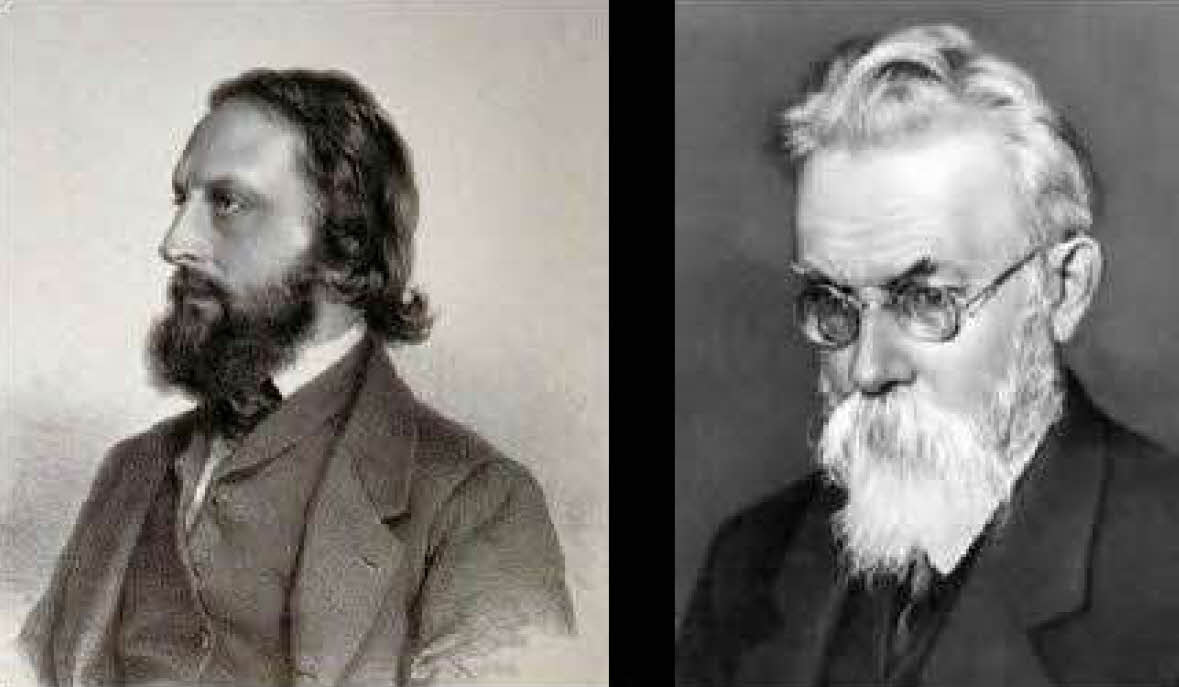
Above left: Suess in 1869. Image: Joseph Krièhuber (1800-1876); public domain. Above right: Vernadsky. Image: unknown; public domain.


 ECOSPHERES PROJECT